Building Curiosity with Coding and Robotics

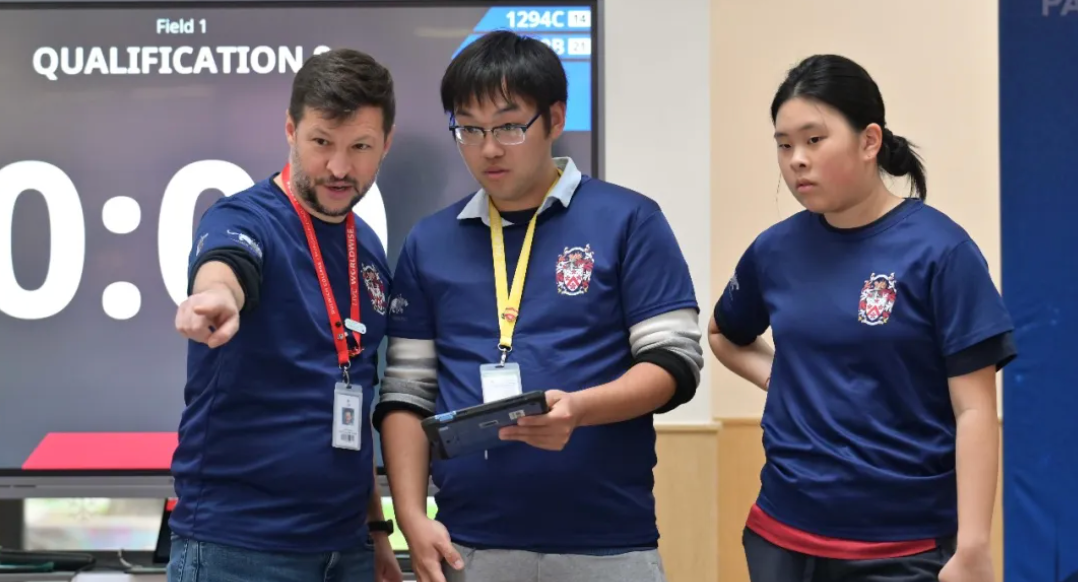
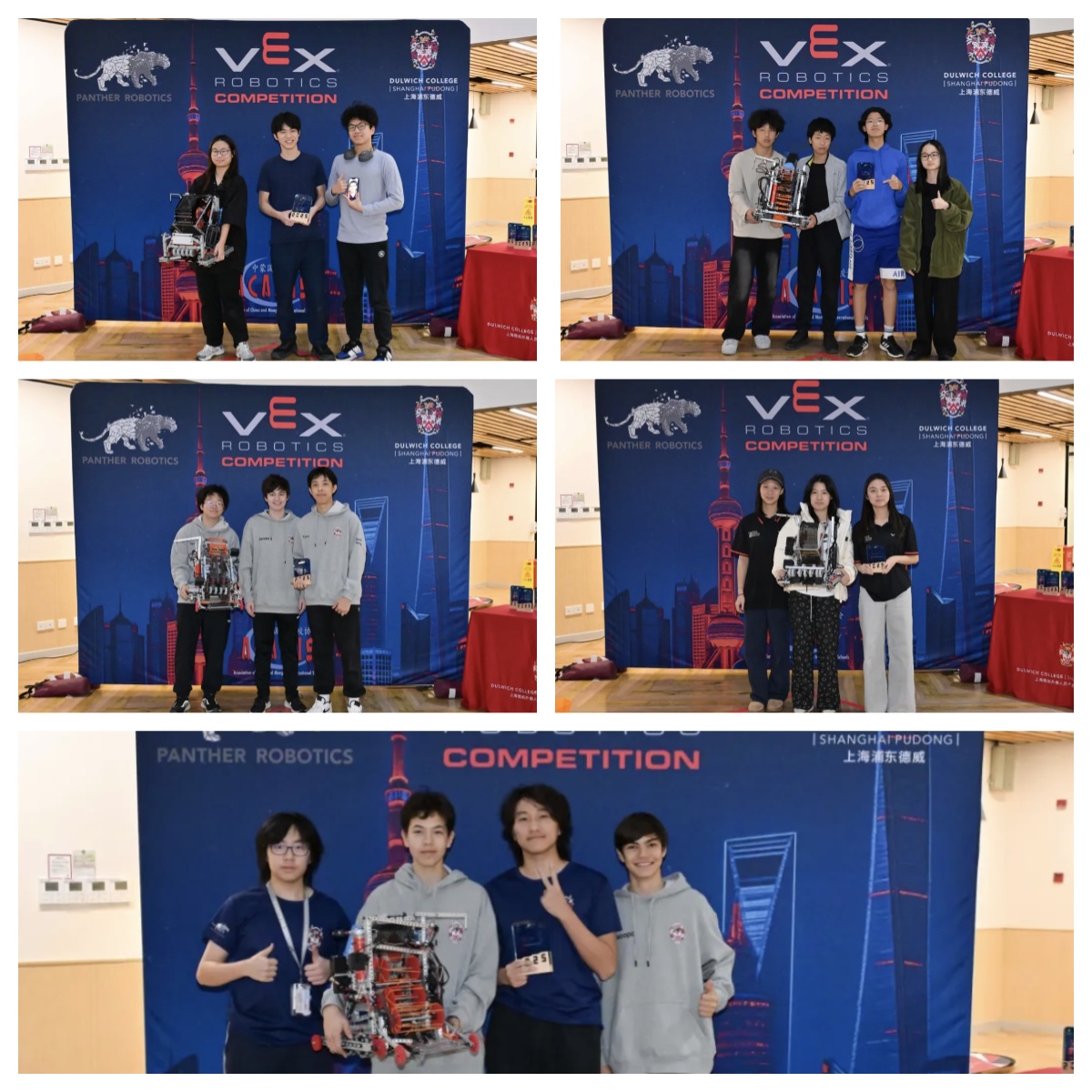
When Luiz Zicarelli walked into a robotics workshop at Dulwich College Shanghai Pudong for the first time, he did not start by talking about himself or setting expectations around final results. He observed. He listened. He asked students what they were building and why. That mindset—of questioning, experimenting and iterating—led students to debate their next steps, refine annotated sketches and develop ever-evolving robots, culminating in strong performances at the ACAMIS Robotics V5 Scrimmage.
Moments like that define Luiz's approach to the Computer Science curriculum and education as a whole.
In August, we were delighted to welcome Luiz to Dulwich Pudong as our new Head of Computer Science and Innovation. He brings over 30 years of experience in IT, educational technology and robotics in international schools. He also holds a Master of Education in International Education, giving him depth and perspective for the role. He leads Computer Science from Year 7 to Year 13 and coordinates the VEX Robotics programme, building on a career that spans teaching, curriculum design, technology leadership and student development.
Yet focusing only on credentials would miss the real story.
From systems to students
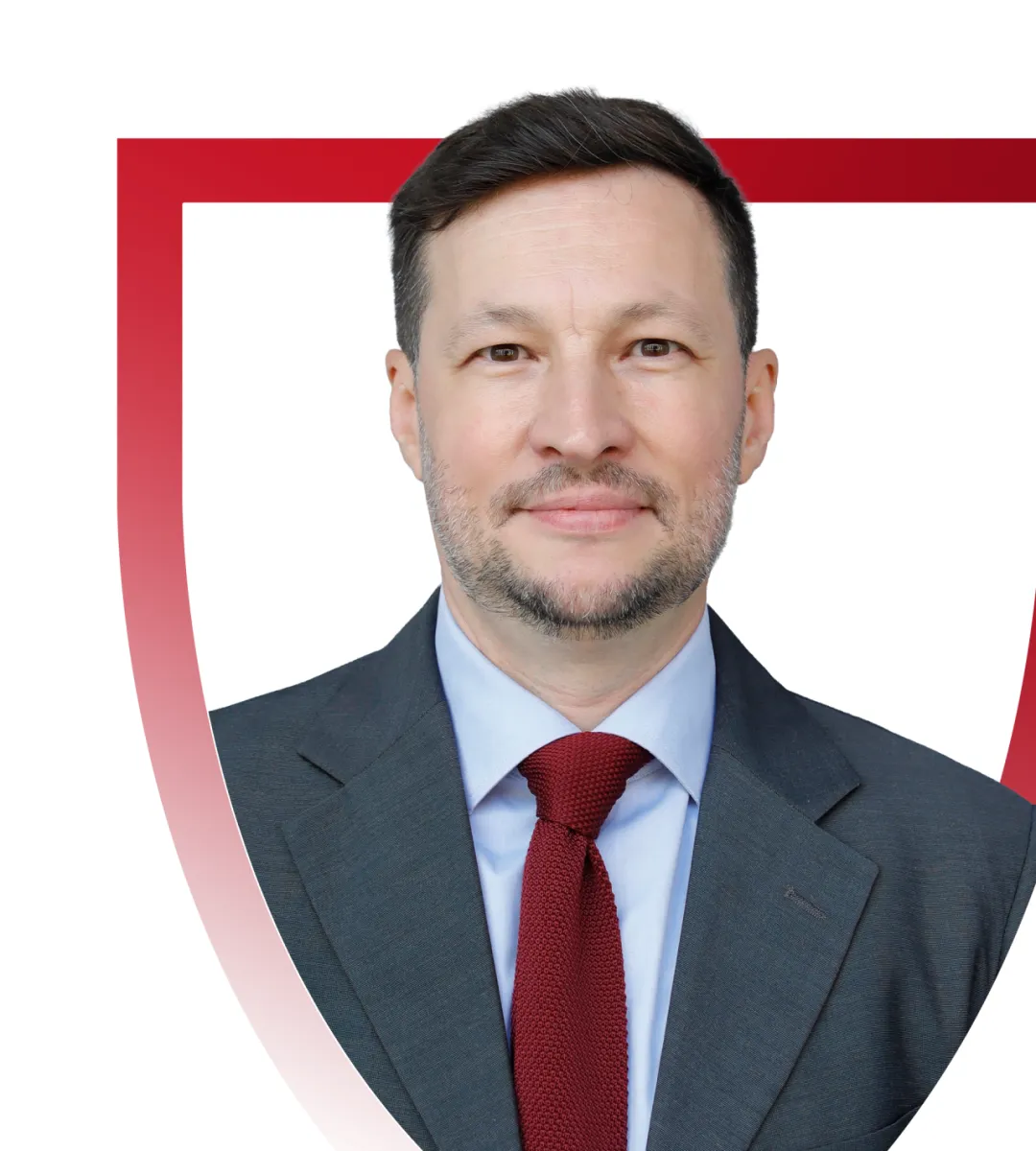
Luiz began his career not in a classroom but in a complex technology environment, overseeing systems where reliability was critical. That experience continues to shape how he thinks about learning. For him, Computer Science is not an abstract subject or a list of programming languages. It is a discipline grounded in reasoning, testing, revision and improvement.
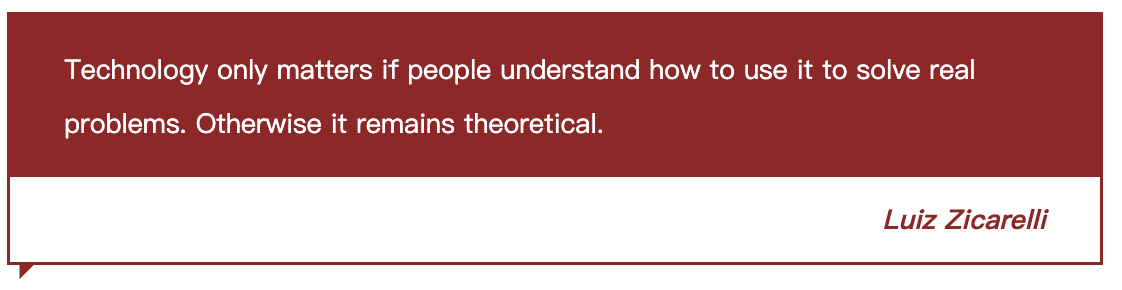
This belief sits at the centre of his teaching vision at Dulwich Pudong. Students learn theory in the classroom, but understanding develops when they apply it. That application happens through hands-on projects, robotics and structured challenges where mistakes are expected and progress depends on reflection.
A lab full of ideas
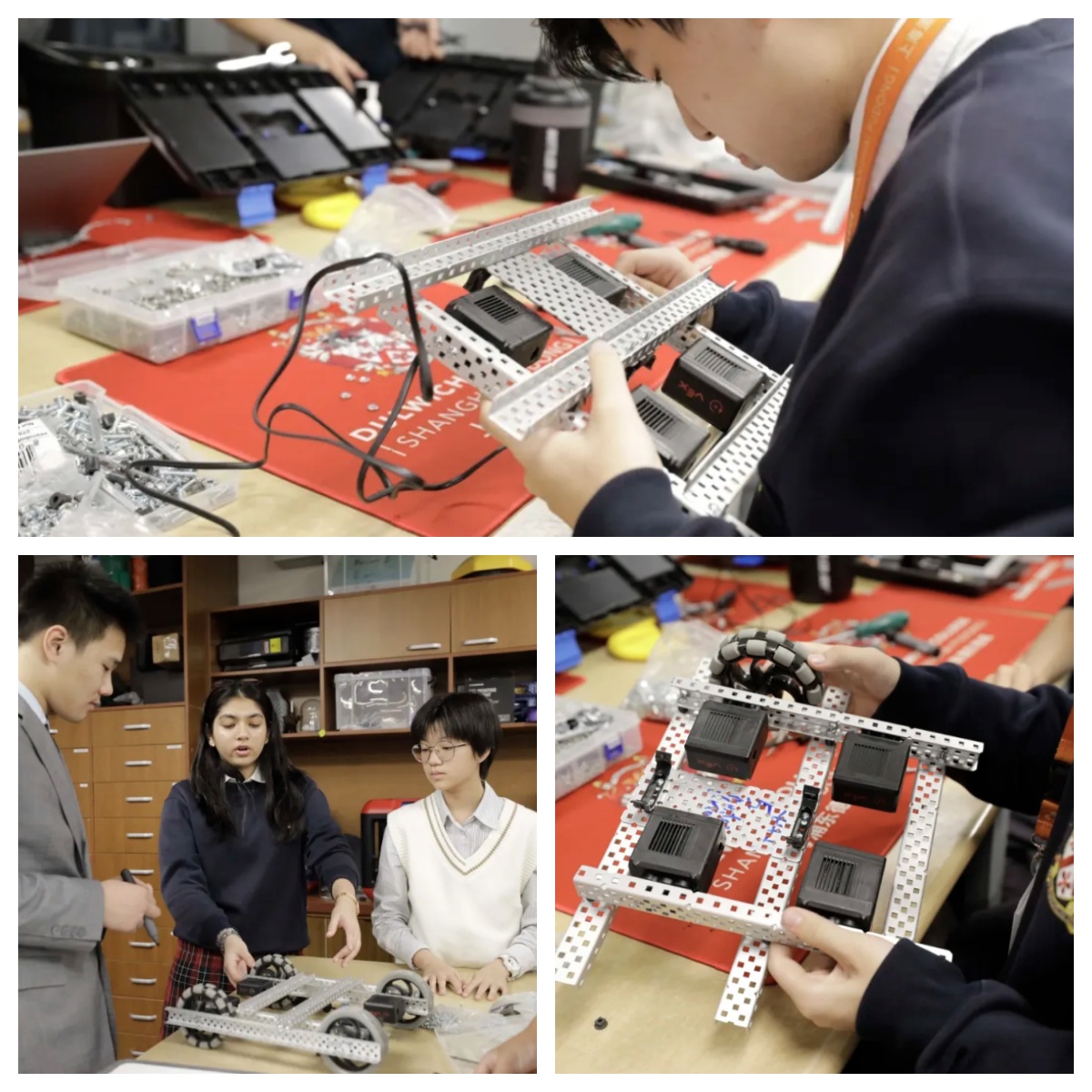
This approach is most visible in the VEX Robotics co-curricular programme. Under Luiz's leadership, the programme has expanded, welcoming students across age groups and establishing a clear link between classroom learning and co-curricular application.
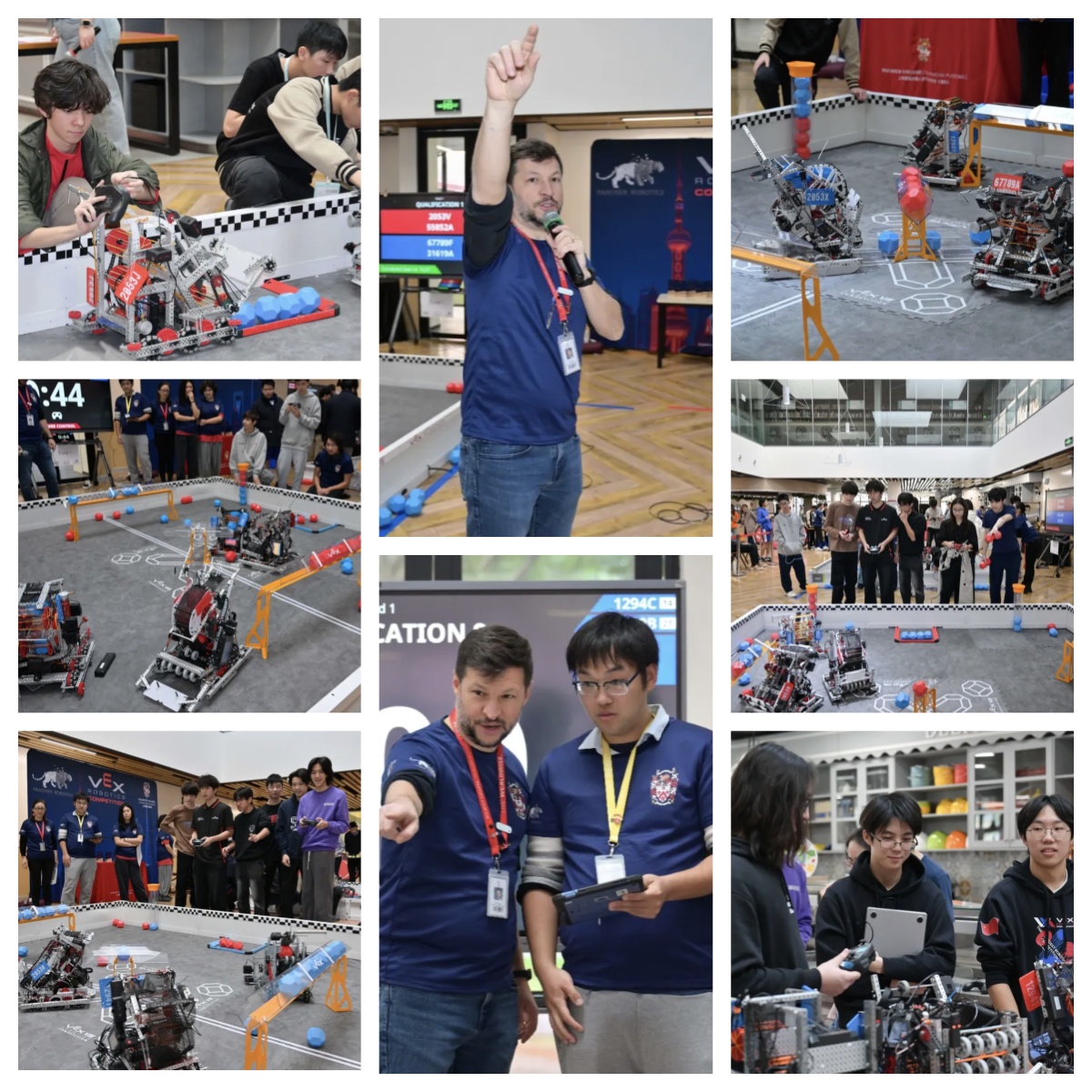
The robots seen at competitions are not finished products delivered by adults. They are often the third or fourth iteration of an idea developed entirely by students. Students design, code, test, dismantle and rebuild. They record decisions in engineering notebooks and learn that improvement depends on careful analysis.
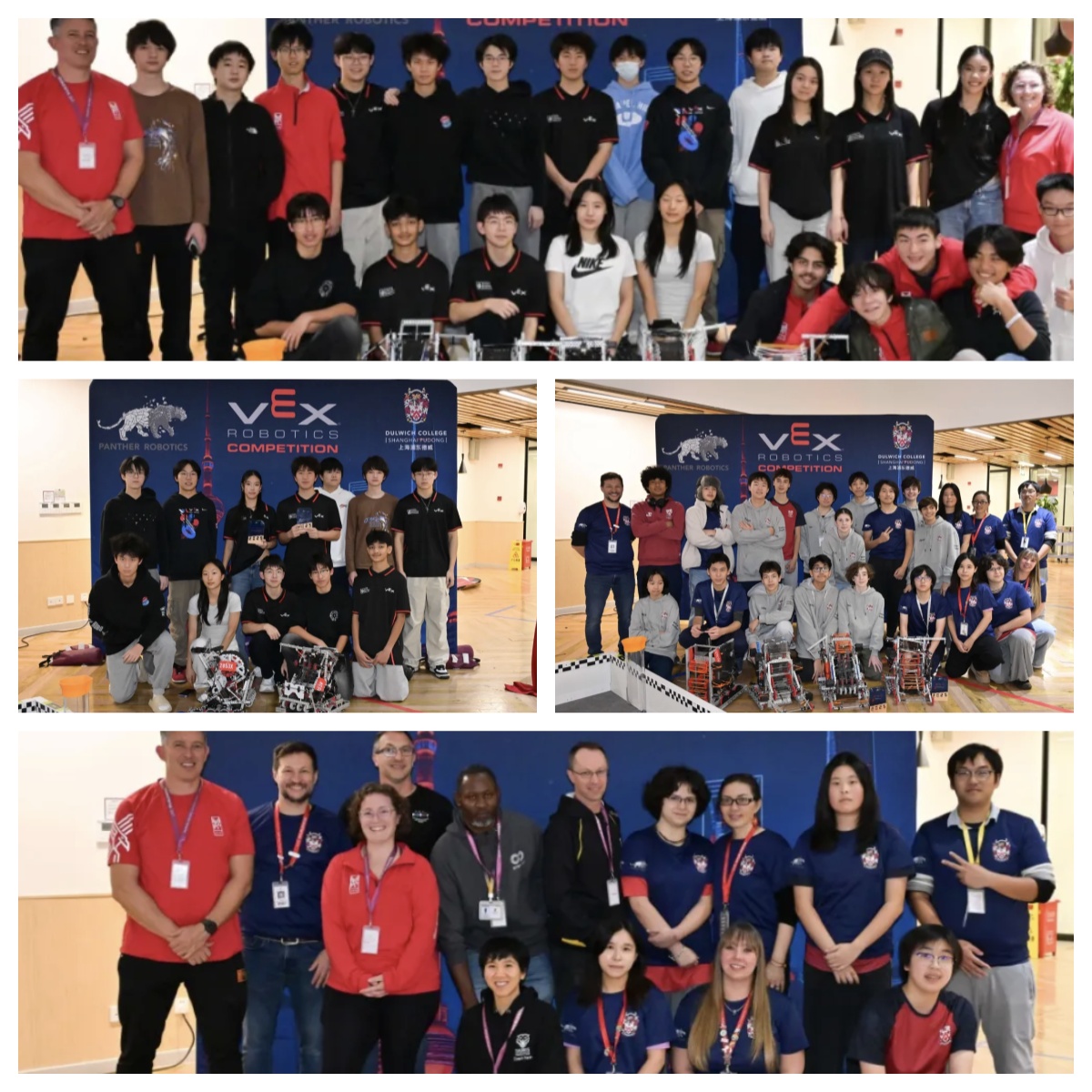
During a recent robotics event hosted at Dulwich Pudong, teams from multiple schools competed and exchanged ideas. Coaches did not touch the robots. Students directed every stage, from programming and mechanics to strategy and evaluation. For Luiz, this principle is essential.
'If it is not student-led, it is not learning,' he says.
Quiet confidence and unexpected leaders
When asked what he finds most rewarding, Luiz does not point to competition rankings or awards. He speaks about students who discover new confidence.
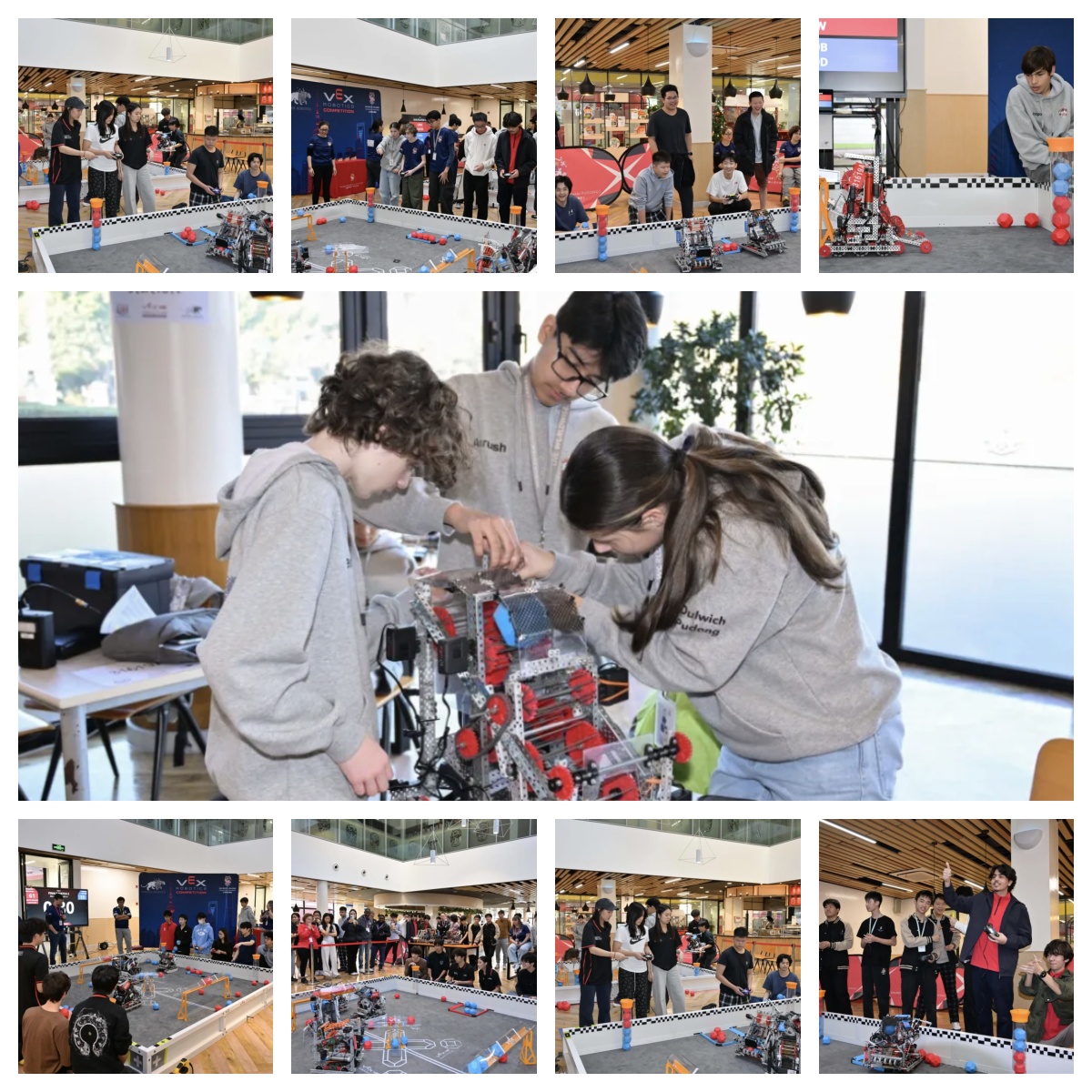
There is the student who rarely speaks in class but takes responsibility as a driver during a match. The designer who works quietly yet produces detailed documentation. The team member who records every game, not for publicity but for review and improvement. These moments illustrate what robotics and a Computer Science education can offer when students are given responsibility.
Robotics creates space for different strengths. Coding, engineering, design, leadership and analysis all have value. In this setting, students develop skills alongside a clearer sense of their own capabilities.
Learning that connects
Looking ahead, Luiz is focused on creating links and integrating with other STEM subjects. Robotics is moving into the classroom, not simply as preparation for competition but as part of everyday learning. Students are introduced to multiple programming languages, physical computing and interdisciplinary projects that link Computer Science with mathematics, physics, science and design.
This approach helps students understand technology as a tool that operates across subjects rather than in isolation. For older students, it can inform future academic and career decisions. For younger students, it supports curiosity without pressure.
'The classroom should be a place to explore,' Luiz notes. 'Competition can follow later. Confidence needs to come first.'
A team effort
Luiz is clear that this work depends on collaboration. He credits the Computer Science and Innovation team for their shared commitment, expertise and support for students. As a newcomer to Dulwich Pudong, he describes himself as fortunate to join a team aligned in values and ambition.
In welcoming Luiz Zicarelli to Dulwich Pudong, we are gaining an experienced educator and leader whose focus remains firmly on students, their thinking and their growth. His work reflects a belief that strong Computer Science education develops through practice, responsibility and the freedom to test ideas carefully and repeatedly.