Smarter, Not Harder: Scientific Secrets to Learning

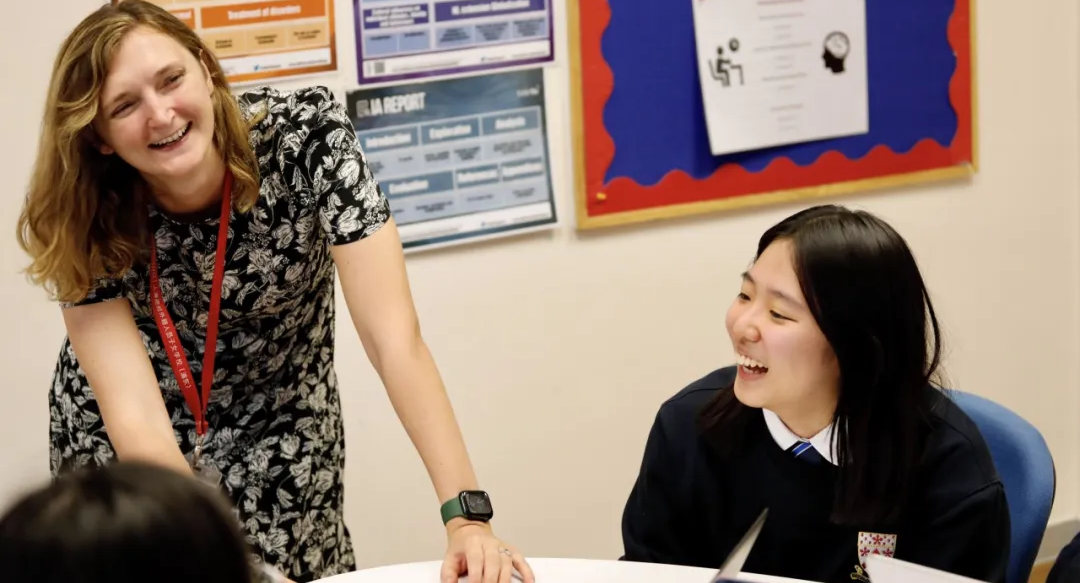
You've likely seen it before: your child spends hours at their desk, surrounded by textbooks and notes, yet their test results don't reflect that effort. It's a frustrating scenario and it often stems from an overlooked problem: most students are never taught how to learn. They rely on methods that may feel productive, like re-reading and highlighting, but recent cognitive science has proven these techniques to be surprisingly ineffective for long-term retention.
At Dulwich College Shanghai Pudong, we have chosen to solve this problem at its root. We believe that the most significant gift we can give a student is not just knowledge, but the master key to acquiring it. This is the philosophy behind our pioneering 'Science of Learning' programme. It's a strategic, evidence-based initiative that moves beyond what students learn, to focus on how they learn. By equipping them with a deep understanding of their own minds and a toolkit of proven strategies, we empower them to study smarter, not just harder, improving their academic efficiency, confidence and long-term success.
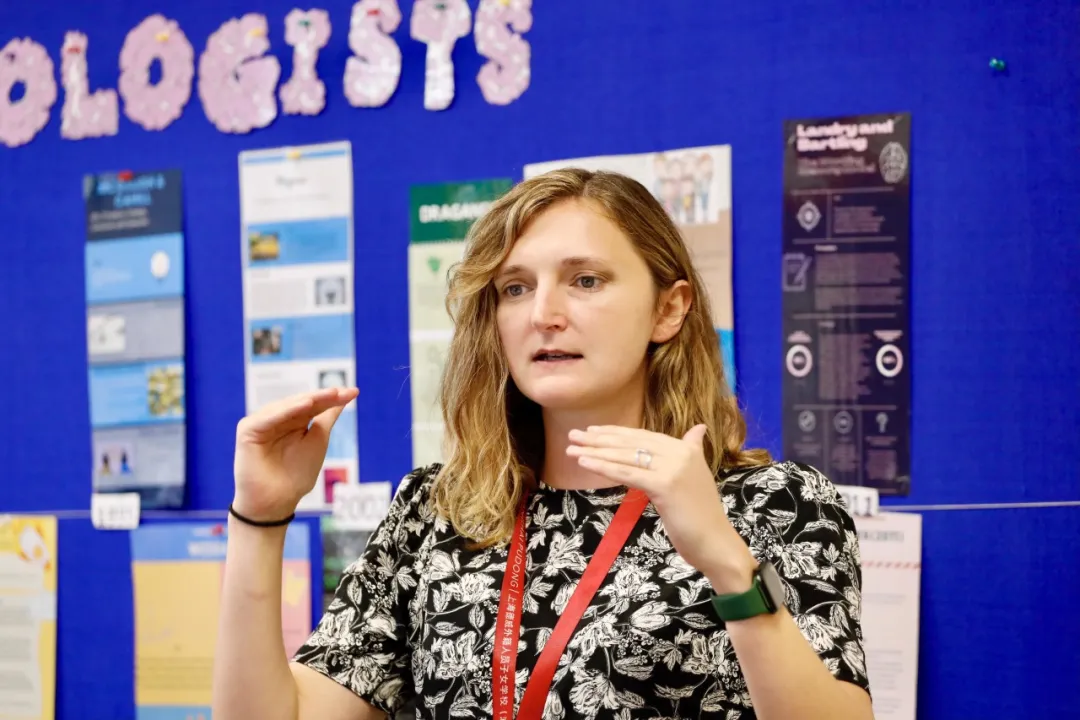
Demystifying the Mind:
From Passive to Active Learner
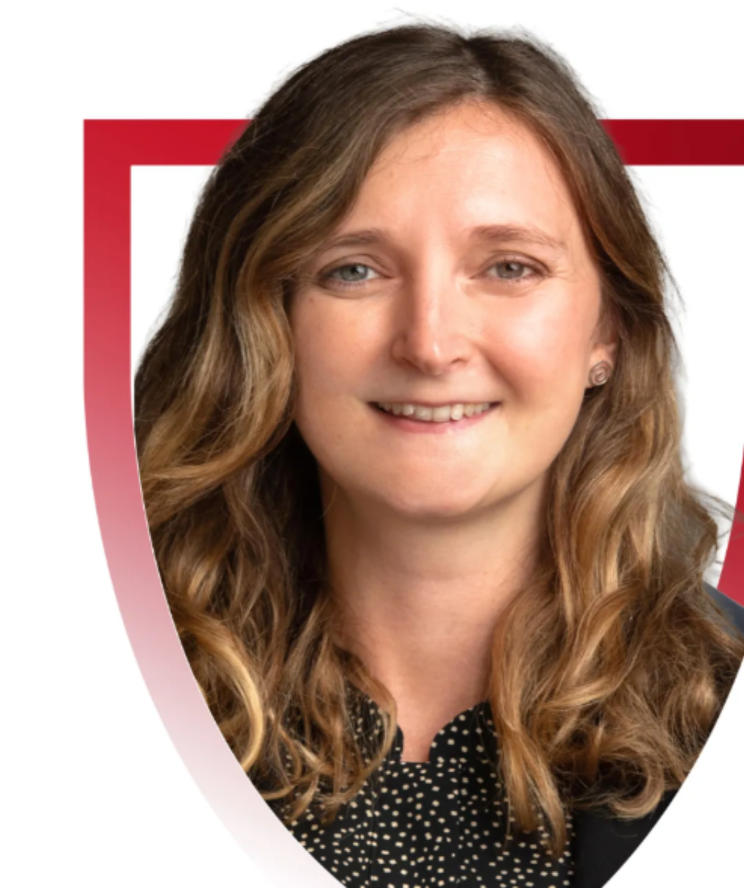
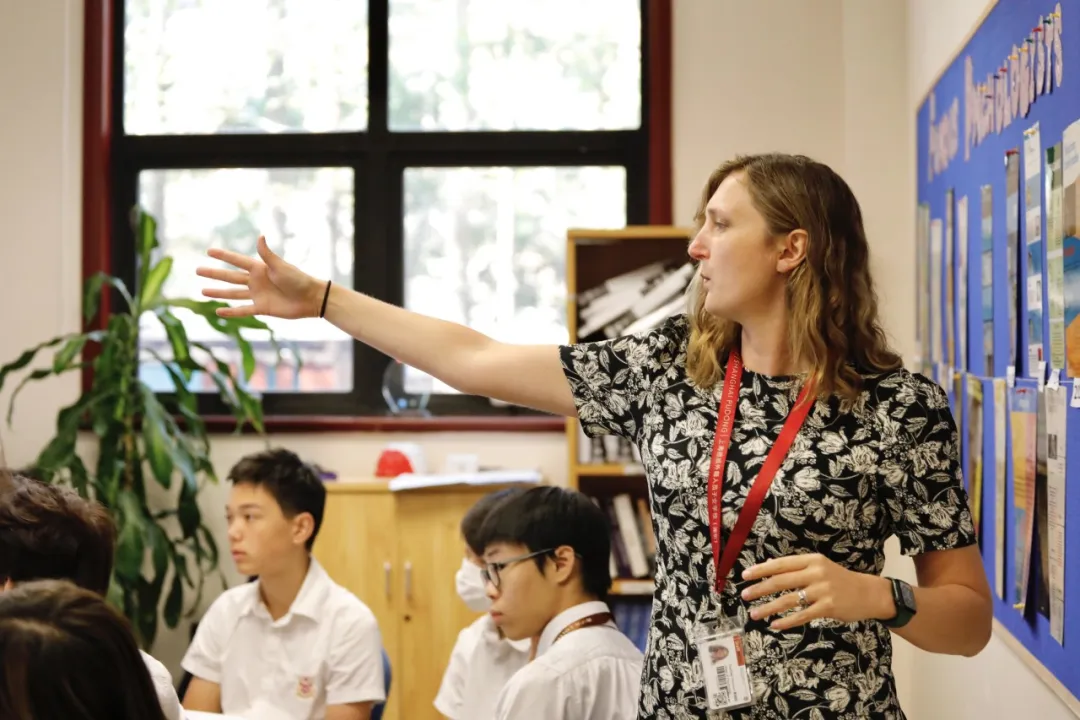
What exactly is the 'Science of Learning'? It is translating decades of cognitive and neuroscience research directly into practical tools for our students. The programme is led by our in-house expert, Ms Rachael Thornton, Head of Psychology and IB Coordinator at Dulwich Pudong. She has published her work on this very subject in the influential education journal 'Impact'. She explains: 'It is about understanding the cognitive and neuroscience research around how we learn and the best ways to learn.'
The cornerstone of this approach is 'metacognition': a sophisticated word for 'thinking about your own thinking'. We pull back the curtain on the mental processes of learning, teaching students how their memory encodes, stores and retrieves information. This transforms them from passive recipients into active, confident directors of their learning.
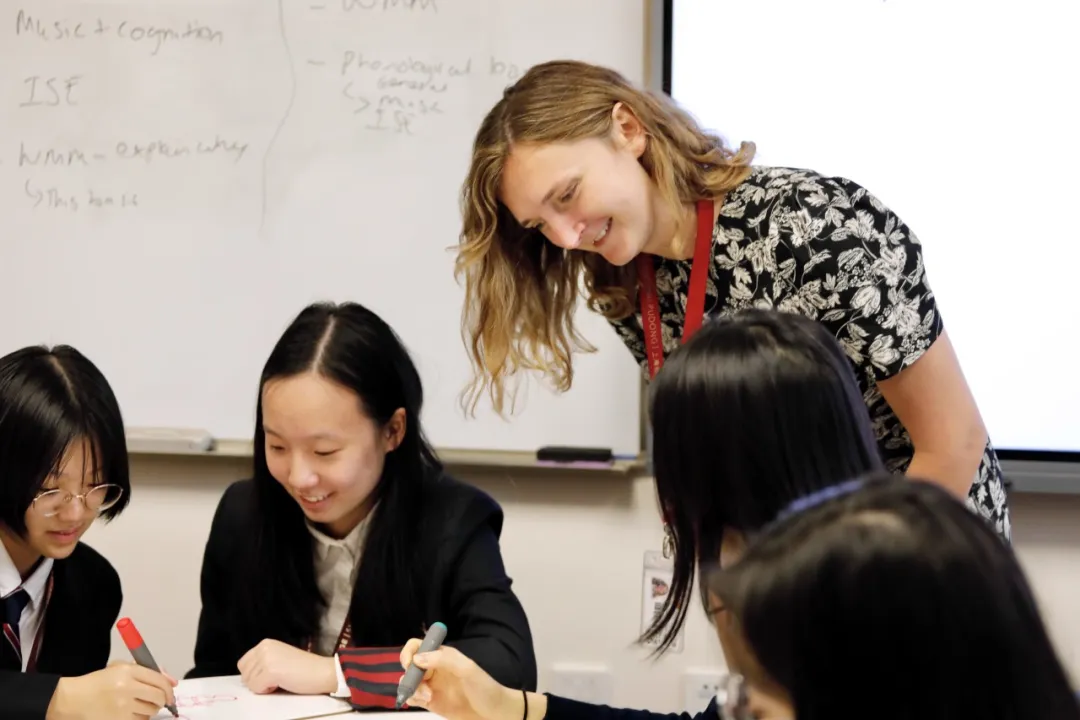
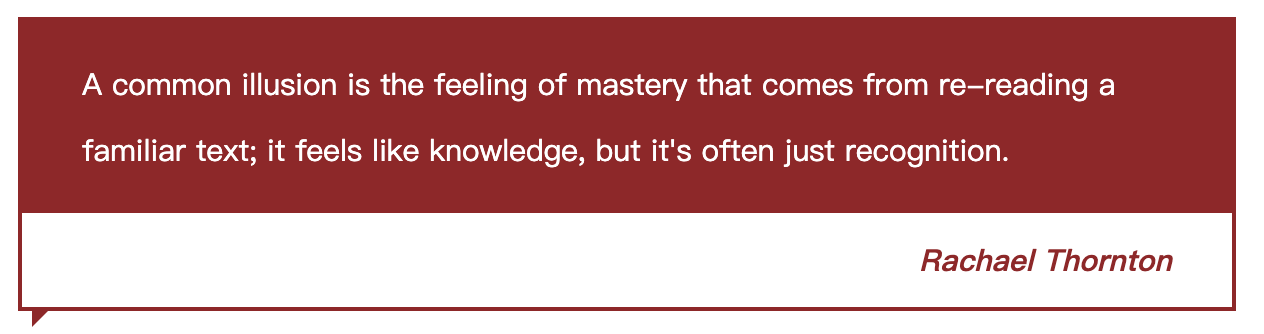
The goal is to replace inefficient habits with evidence-based strategies. 'The idea of using that exact phrasing was very much to show that this is an evidence-informed way of teaching students effective study habits,' says Ms Thornton, 'and to kind of break down the metacognitive illusions that students sometimes have.'
'A common illusion is the feeling of fluency that comes from re-reading a familiar text; it feels like knowledge, but it's often just recognition. Our methods move students from this feeling of familiarity to having actual, demonstrable evidence of their learning.'
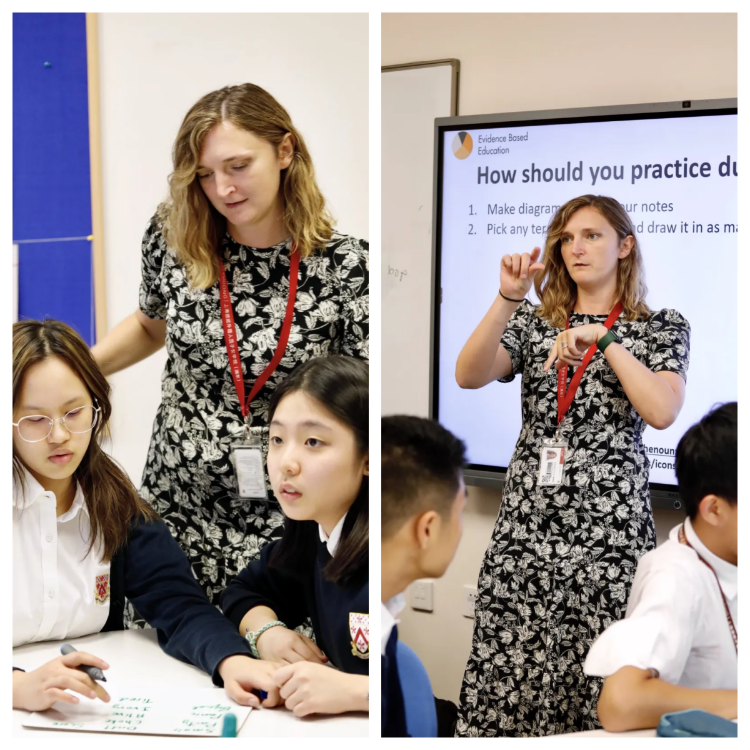
The Student's Toolkit:
Five Evidence-Based Pillars for Academic Success
Our programme is built on five core pillars. These are not abstract theories, but practical strategies students learn to apply in their daily study routines across all subjects.
1.Understanding Memory: The Owner's Manual for the Brain.
Before students can improve their learning, they need to understand the machine they are working with. They learn about the difference between their working memory and their long-term memory. This knowledge provides the 'why' behind every other technique, making students more willing to adopt strategies that might initially feel counterintuitive.
2.Dual Coding: The Power of Words and Pictures.
We teach students to systematically combine written notes with visual representations. This could be drawing a diagram of a biological process, sketching a timeline for a history unit or creating a flowchart for a literary plot. By creating two mental pathways for the same information, students double their chances of retrieving it when it counts, such as in a high-pressure exam.
3.Retrieval Practice: The Effort that Makes Knowledge Stick.
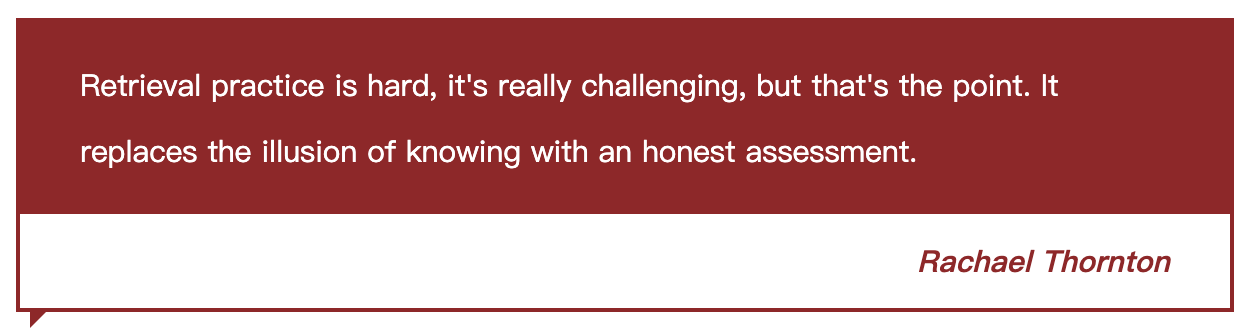
Retrieval Practice is the act of pulling information out of your memory. This can be done through flashcards, practice tests or simply closing the book and trying to write down everything you remember. 'Retrieval practice is bringing information out of our long-term memory and back into our working memory. It's hard, it's really challenging,' Ms Thornton admits. This challenge, however, is precisely the point. The mental effort required to recall something strengthens the neural pathway to that information, making it easier to find next time. It replaces the illusion of knowing with an honest assessment of what has been truly learned.
4.Spaced and Interleaved Practice: The End of Cramming.
We systematically debunk the myth that marathon study sessions are effective. Instead, we teach students two powerful scheduling techniques:
Spacing:
Distributing study sessions for a subject over several days or weeks.
Interleaving:
Switching between different topics or types of problems within a single study session.
Ms Thornton explains the benefits: 'The research shows it's much better to study for 30 minutes and then have a break rather than revising the same topic for several hours.' While cramming feels efficient, our techniques force the brain to constantly identify which strategies to use, leading to deeper learning and more flexible problem-solving skills.
5.Deliberate Practice: The Art of Intentional Study.
This final pillar is about quality over quantity. It transforms studying from a vague task ('I'll study biology') into a targeted mission ('I need to draw and label the process of cellular respiration'). Students learn to set specific, achievable goals for each session, focus intently on their weakest areas and critically reflect on their progress afterward. This cycle of planning, acting and reflecting turns study time into a process of continuous improvement.

In Action:
A Shared Language of Learning Across the School
The 'Science of Learning' programme is far more than a single workshop. It is a living, breathing part of our school's approach to learning. A maths teacher might begin a lesson with a quick, low-stakes quiz on last week's material—a 'retrieval starter'. A history student might create a detailed mind map—an application of 'dual coding'. This consistent reinforcement ensures the strategies become second nature.
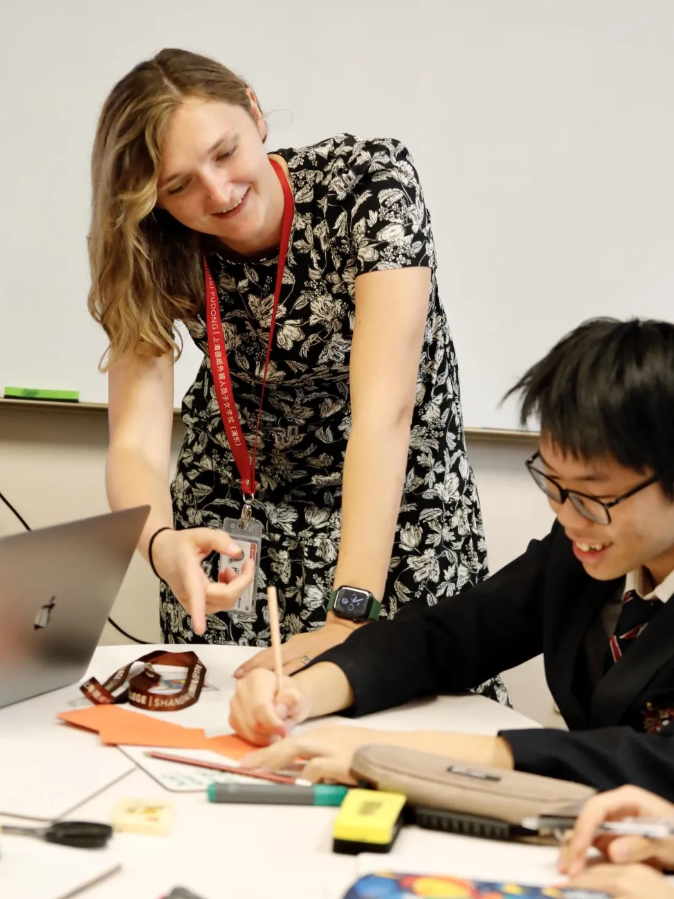
Ms Thornton highlights a popular and tangible example: 'Folding Frenzy is a way for students to condense and memorise their notes. They first dual code notes and then they fold a part of the paper,' she explains. 'Then they write down the hidden parts, unfold, check, then fold the paper in a different way, covering different parts of their notes.' This hands-on, almost playful technique embodies our approach of making high-impact learning active, engaging and accessible.
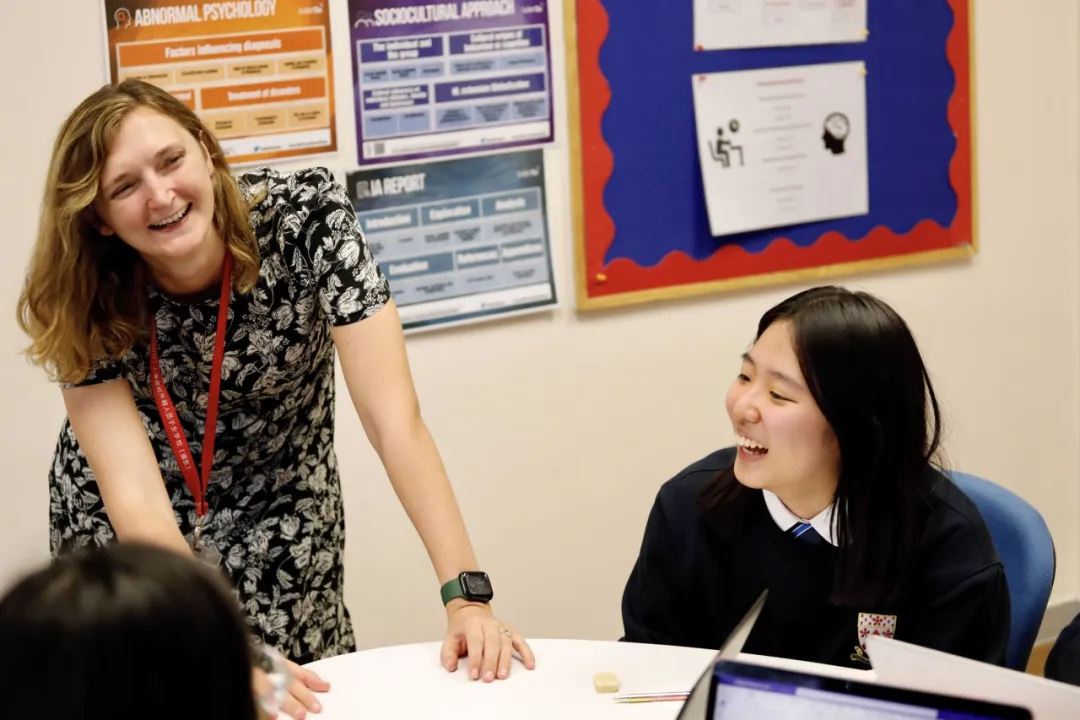
Mastering these techniques empowers students to take full ownership of their learning. They build a 'toolkit' of strategies they can trust for any academic challenge, which fosters self-reliance and confidence. As Ms Thornton observes, 'Once students get used to the idea of, for example, retrieval practice, they report it as one of the most useful techniques.' The result is a student who approaches their studies with calm assurance, equipped with the right tools for success.
A Lasting Advantage:
Building Confident Learners for a Complex World
The benefits of this programme extend far beyond improved examination results, though those are a clear and welcome outcome. The anxiety and frustration that come from inefficient studying are replaced by the calm confidence and control of a proven plan. This significantly boosts cognitive wellbeing, allowing students to engage with challenging material without being overwhelmed by stress.
This advantage pays dividends long after graduation. Our alumni consistently report feeling exceptionally prepared for the demanding independent learning required at top universities. 'They talk about the way in which they feel organised or know how to take effective notes,' Ms Thornton shares. They arrive at university not just with knowledge, but with the skills to manage and build upon it efficiently.
Our Commitment:
Equipping Students for Life, Not Just Exams
The Science of Learning programme is a powerful and tangible example of our commitment to pioneering education. It represents a significant investment in each child's future, giving them the ultimate gift: the understanding and ability to learn. We are not just teaching them for school; we are deliberately equipping them with the skills, confidence and a critical mindset to navigate and succeed in the world that awaits them.